The Ultimate Guide to Loving Your Wooden Cutting Board
Keep your wooden cutting board lasting forever with these essential do's and don'ts. Learn the proper washing, oiling, and drying techniques today.
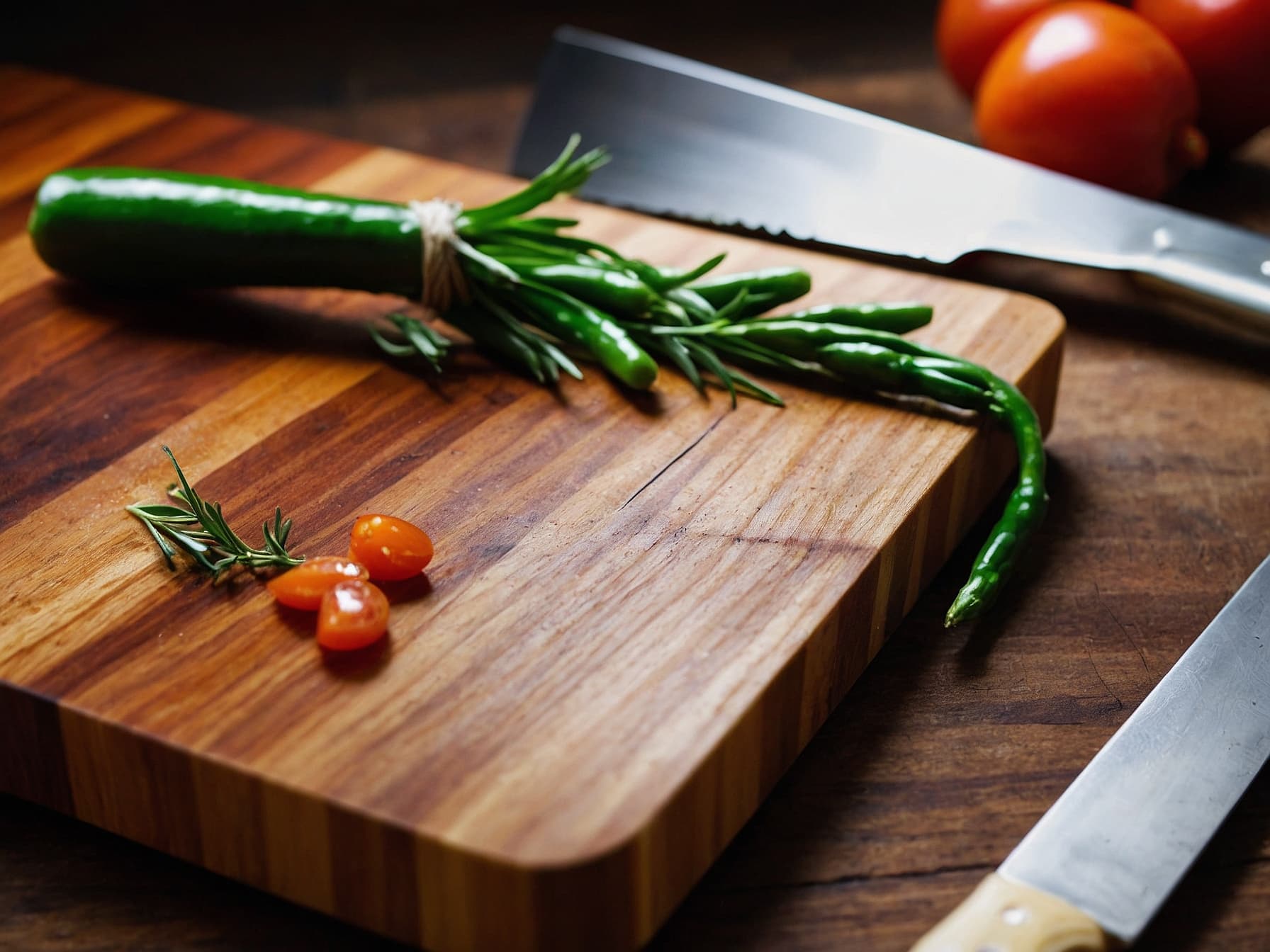
A good wooden cutting board is more than just a kitchen tool—it’s an investment. Whether you have a heavy-duty butcher block or a sleek olive wood serving board, wood is an organic material that needs a little bit of love to stay in fighting shape.
If you treat it right, a wooden board can last a lifetime. If you treat it wrong, it will warp, crack, and become a haven for bacteria.
Here is exactly how to keep your board smooth, safe, and beautiful for years to come.
The Daily Routine: How to Wash and Dry
The most common way to ruin a board is improper washing. It sounds simple, but there is a technique to it.
- Scrape First: Before water touches the wood, use a bench scraper or the blunt side of a knife to remove any stuck-on food residue. This makes washing much faster.
- Hand Wash Only: Use warm, soapy water and a soft sponge. Never use harsh scouring pads (like steel wool), which can tear up the wood fibers and ruin the finish.
- The Golden Rule: Wet Both Sides. This is the secret to preventing warping. Even if you only chopped an onion on one side, you must rinse both sides of the board. If only one side gets wet, the wood fibers swell unevenly, causing the board to cup or bow.
- Dry Immediately: Don't let it drip dry. Wipe off excess moisture right away with a clean towel.
- Stand It Up: Always air dry your board by standing it upright on its edge. This allows air to circulate around the entire surface. Never store a wet board flat on the counter; moisture gets trapped underneath, inviting mold and warping.
The Maintenance: Oiling and Conditioning
Wood dries out over time. To keep it from cracking and absorbing meat juices, you need to keep it hydrated.
- When to Oil: A good rule of thumb is once a month, or whenever the board looks "thirsty" (lighter in color or dry to the touch).
- What to Use: Apply a generous amount of food-grade mineral oil or a specific board cream/wax. These create a protective barrier.
- What to AVOID: Never use cooking oils like olive, vegetable, or canola oil for maintenance. These fats will oxidize and go rancid inside the wood, making your beautiful board smell terrible.
- Smooth It Out: If your board has deep knife cuts or rough patches, don't be afraid to sand it down with fine-grit sandpaper. Once smooth, give it a good coat of oil, and it will look brand new.
The "Board Killers": What NOT To Do
If you want to destroy your board quickly, do these things. If you want to keep it forever, avoid them at all costs!
- NO Dishwashers: This is a death sentence for wood. The high heat and prolonged water exposure will cause the wood to swell and crack instantly.
- NO Soaking: Never submerge your board in a sink full of water. Wood is like a sponge; if it drinks too much water, it expands and breaks.
- NO Direct Heat: Don't put hot pots or pans directly on the wood, and don't leave the board near a heating vent or in direct sunlight. Heat dries out the wood rapidly, leading to major cracks.
- NO Cross-Contamination: If you use your board for raw meat, sanitize it thoroughly before using it for veggies (or better yet, keep a separate plastic board for raw proteins).
Happy Cleaning!